



The flooring is often the most crucial aspect of adding visual appeal to your space and even raising its functionality. No matter if your flooring is hardwood, laminate, carpet, or laminated flooring, an elegant touch and constant care is a necessity. Here are some practical strategies to ensure longevity of floors while keeping them looking forever new.
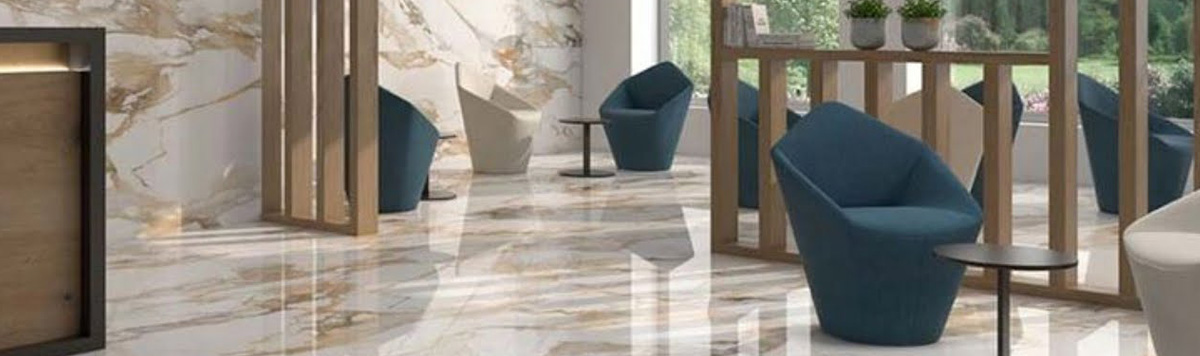
Organize a Regular Clean Up Plan
Regular cleaning is the most important aspect of proper floor maintenance. It is necessary to do the same with each kind of flooring material.
- Hardwood Flooring: A broom with soft bristles should be used to sweep on daily basis. A vacuum designed for hardwoods can also be utilized without worrying about scratches from dust or debris.
- Tiles: Once a week use a mop and a mild detergent to clean the floor and regularly clean the grout lines so that discoloration occurs.
- Carpets: These should be cleaned with the help of a vacuum cleaner not less than twice in a week so that dirt that has settled is removed and the fibers in the carpet don’t get frayed.
- Laminated floors: Use damp mop and a cleaner that is not very abrasive in nature so that the shiny appearance is maintained and does not scratch the surface.
Avoid Impacts that Results in Dings and Scratches
Over time scratches build up that can be seen and noticed which is caused by furniture, pets and heavy foot traffic. Pointers that will help reduce this damage are;
- Employ Furniture Pads: Use some felt pads and fit them to the feet of your furniture as they help to avoid scratches from movement.
- Lay Rugs and Mats: In high-traffic areas like entryways, hallways, etc. area rugs can be used to minimize direct exposure to dirt and moisture.
- Trim Pet Nails: It is good to keep pets’ nails short to minimize the chance of scuffing or scratching delicate surfaces around the house.
Deal with any spillage at the earliest
Prompt action is important when it comes to staving off stains or water damage, especially with materials such as wood and carpets which can easily get damaged.
- Hardwood and laminate: Make use of a clean soft cloth and dry it out completely to blot spills at the very outset. This is to prevent water from getting in between edges of the wood and causing it to bend.
- Carpet: Do not rub the stain on the carpet with the cloth. Carefully wipe the stain with a clean cloth or paper towel and apply carpet stain removal solution to the affected areas.
- Tile and vinyl: Spills should be wiped with damp cloth and nothing afterwards should be done to keep it clean.
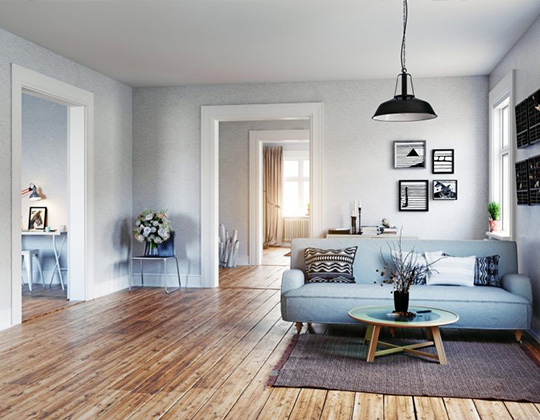
Use the appropriate cleaning products
With various types of flooring comes the necessity of being a little choosy as to which cleaning product to use with great care. A number of products can be used without caution whereas others may alter the appearance of the flooring.
- For hardwood, recommending exclusive materials for wooden floors as cleaning liquids. If the wood is not sealed the use of water bases constructions must be avoided.
- For vinyl and laminate, the use of abrasive products to the surface is also a big no.
- For tiles, the use of a pH neutral type cleaning solution is ideal for cleaning and preserving the glazed appearance.
- For carpets, only those fabrics should be used that are specifically helpful in spotting the area where the stain is found.
Perform Refinishing and resealing over time
Your floorings on one side may have endured some damage and after doing some scrubbing there are not much improvements noticeable. In fact, investing in enhancing the beauty through workflow refinishing or resealing sometimes may do a pure work:
- Hardwood Floors: It is crucial to sand, stain, and apply a topcoat finish every 5-10 years, as this maintenance measure removes scratches and re-applies protective covering to the wood.
- Tile Floors: Apply a sealant to the grout lines after tiling, and repeat every 1-2 years. Dirt buildup and stains will be prevented this way.
- Vinyl and Laminate: Whilst these surfaces do not need refinishing, a polish can be helpful when applied from time to time.
Control Indoor Environment
Temperature and humidity are two factors that can affect the life your floors will have:
- Hardwood: Indoor humidity levels should be maintained within 35-55 percent to prevent warping or formation of gaps.
- Tile and Vinyl: Do not subject these to extreme temperature changes, as they will lead to cracking or curling.
- Carpet: Must be properly ventilated as this will help reduce moisture accumulation that could otherwise lead to mold and mildew development.
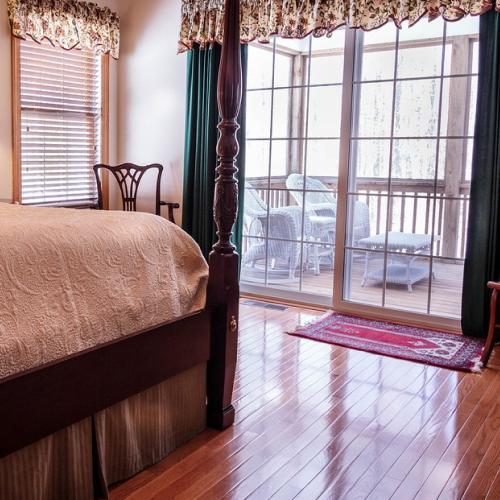
Rotate Rugs and Furniture
Move rugs and furniture occasionally so that they do not stay in one position for too long and sustain uneven wear. Doing this helps to keep areas prone to sunlight from discoloring over the years and relieves strain on certain parts of the floor.
Professional Cleaning and Maintenance
It would also be best to maintain 1 or 2 professional services on an annual basis to ensure that these floors will be in their best conditions year after year.
- Carpet: Ensure you have regular professional cleaning appointments to maintain your carpet and even take out dirt that commonly get stuck at the fibers.
- Hardwood: Seek professionals who can clean and restore the wood’s finish through deep cleaning and polishing.
- Tile and Grout: Professionals can restore tiles to their original shine by cleaning and sealing them.
Conclusion
Well-maintained floors not only enhance the look of your home but also increase its value. By adopting a routine cleaning schedule, using the right products, and protecting against common damage, you can keep your floors looking new for years. Regular care will ensure your flooring remains a timeless feature in your space, offering both beauty and functionality.

