
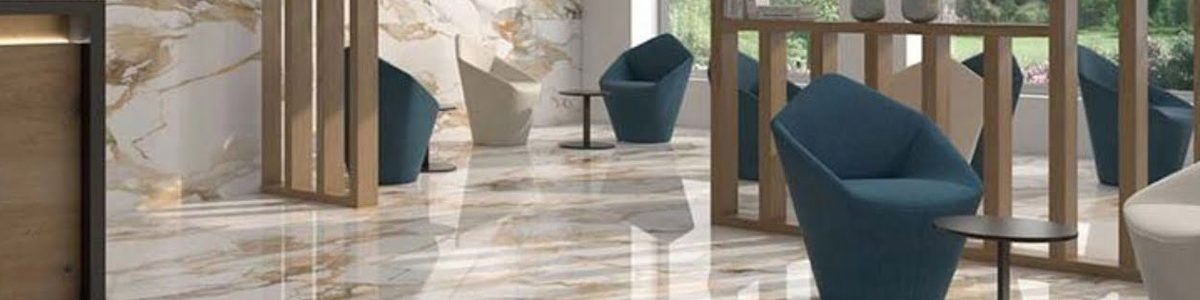
Almost every homeowner is familiar with the very first step involved in the building, remodeling, or designing of a home or commercial space, and that includes flooring selection. Another aspect that is often missed by many homeowners and designers is how their floors may look depending on the lighting. There is a relationship between light and floor that illuminates the character, design, and dimensions of a room. Whatever your room has in terms of flooring, be it hardwood, tiles, vinyl, or carpet, it is crucial to know how lighting will affect your flooring installation so that you can accentuate it.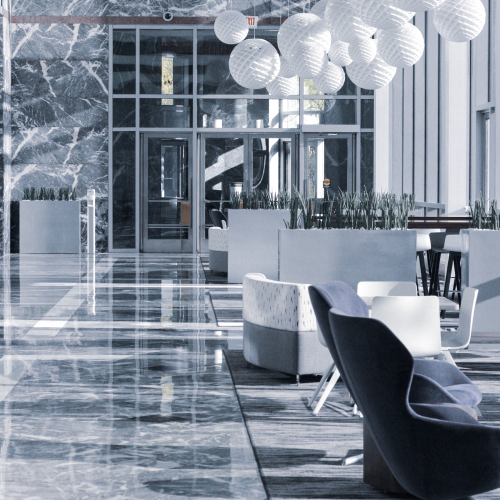
We are going to look at various lights and their relationship with different types of flooring materials as well as provide some ideas of how you can make your floors stand out.
- Something about the sun: The use of natural lighting gives a room an overall beautiful face lift. It improves the color, textures, and appeal of your floors. But the way sunlight affects the floors is not uniform as it changes with time and seasons as well.
- From a classic point: Wood floors are perfect for every interior if used correctly! Sunlight really has the ability to soften and enhance some of the grain and color patterns of hardwood. Once it has already been exposed for long periods of time and consistently sunny days, the wood definitely has some fading or some discoloration. With regards to the tones of hardwood, lighter planks like oak or maples would provide a great amount of illumination to the space, whereas darker tones like mahogany or walnut will give off a more subdued feeling and might make the room feel dense, but comfortable.
- Tile Flooring: The patterns and points of interest of tile floors can be emphasized well by natural light reaching such surfaces. Such tiles as glossy tiles can reflect sunlight well to bright up a place. However, they can create glare in rooms with large windows.
- Vinyl and Laminate Flooring: These are materials which have been made to look like wood or stone and light can also enhance their appearance. If looking for vinyl or laminate, consider selecting those with UV-resistant coatings to avoid damage caused by sunlight.
Tip: You can use sheer curtains or window films that are capable of blocking UV light to control the amount of sunlight entering the room and avoiding the sun to damage your floors.
- Artificial Lighting: Setting the Tone, Moods Are Important: After the sun goes down, artificial lighting is important in determining how your floors most notably look. For instance, different types of lighting may accentuate or reduce particular characteristics of your flooring.
- Warm Lighting: Soft and warm lights between color temperatures of 2700K to 3000K have a warm inviting feel. These are compatible with warm-toned floors such as red oak, cherry, or beige tiles that radiate warmth.
- Cool Lighting: Cool bright lights between 4000K and 5000K are suitable for modern minimalist spaces. These fit well with gray or white washed and light tiles, giving a clean contemporary feel.
- Accent Lighting: Spotlights or LED strips can enhance some areas of your flooring, such as accentuating a distinctive tile design, a herringbone pattern of wood flooring, or placing a large decor rug on your floor. This accent lighting enhances the depth and focus of the room.

Tip: It is advisable to use dimmer switches for light fittings to change the intensity of the artificial light at different times of the day.
- Reflection and Gloss: Maximizing Light: The Role of Light in Your Flooring: When it comes to gloss level and finish, that’s where your flooring comes in terms with how this will polish the look of the whole area.
- High-Gloss Floors: For these types of floors, a majority of light gets reflected upwards making the entire area look larger and more radiant. High-gloss finishes are perfect for modern spaces however they are easily prone to appear dusty or show scratches and/or footprints.
- Matte Floors: On the contrary, matte finishes are able to absorb light rather than reflect it, therefore making the entire floor look soft, muted and subtle. They are perfect for a rustic or industrial aesthetics and are able to conceal flaws more effectively than glossy floors.
- Textured Floors: Floors that are hand-scraped, wire-brushed or distressed have a deeper texture and can produce an aesthetically pleasing scatter of light, thereby reducing glare and creating a more organic look.
Tip: To counter too much glare, high-gloss floors can be complemented with soft light, and large reflective areas can be broken up with area rugs.
- Dimensions of the Room and Its Relations with Light: It is possible to influence the size perception of a room by manipulating the lighting and flooring in it.
- Small Rooms: In small spaces, light-colored floors and plenty of light can create an effect of a broader room and open area. This effect can be enhanced with mirrors and reflective surfaces that scatter the light through the room.
- Large Rooms: In large areas, warm and overhead lights and follies bodes well with the scenario making the ripping of the space much cozier.
Tip: Combine all three types of lighting, ambient, task, and accent, to achieve an integrated lighting approach that complements the room’s bulk and configuration.
- Outdoor Lighting and the Fitting Out of the Floor: Where there are outdoor areas such as a deck or a patio with floors, light is essential in terms of operational effectiveness and beauty.
- String Lights: In addition to providing a cozy, festive touch to any outdoor area these go well with timber or composite decking.
- Pathway Lights: These accentuate safety and help in making the elements such as stones or concrete paths stand out.
- Uplighting: Uplights are perfect for sculptural aspects or landscaping that emboldens the outdoor flooring for emphasis even during night.
Tip: If possible, choose outdoor lighting fixtures that can resist harsh weather conditions for durability and optimal performance.

Conclusion
Lighting can also transform the aesthetics of your flooring into more than its purely utilitarian aspect. A general principle that should be known is to try to utilize as many types of light as appropriate to the room to achieve equilibrium with the floor as well as the theme of the space, and appropriate lighting design can add value to the floors in. Whether natural, unnatural, or a mix of both is applied, appropriately created lighting automatically makes the floors stand-out while improving broad areas of the home or office.

